
The first credit card offer your teenager receives will be a bad one
By Nandani Kabra
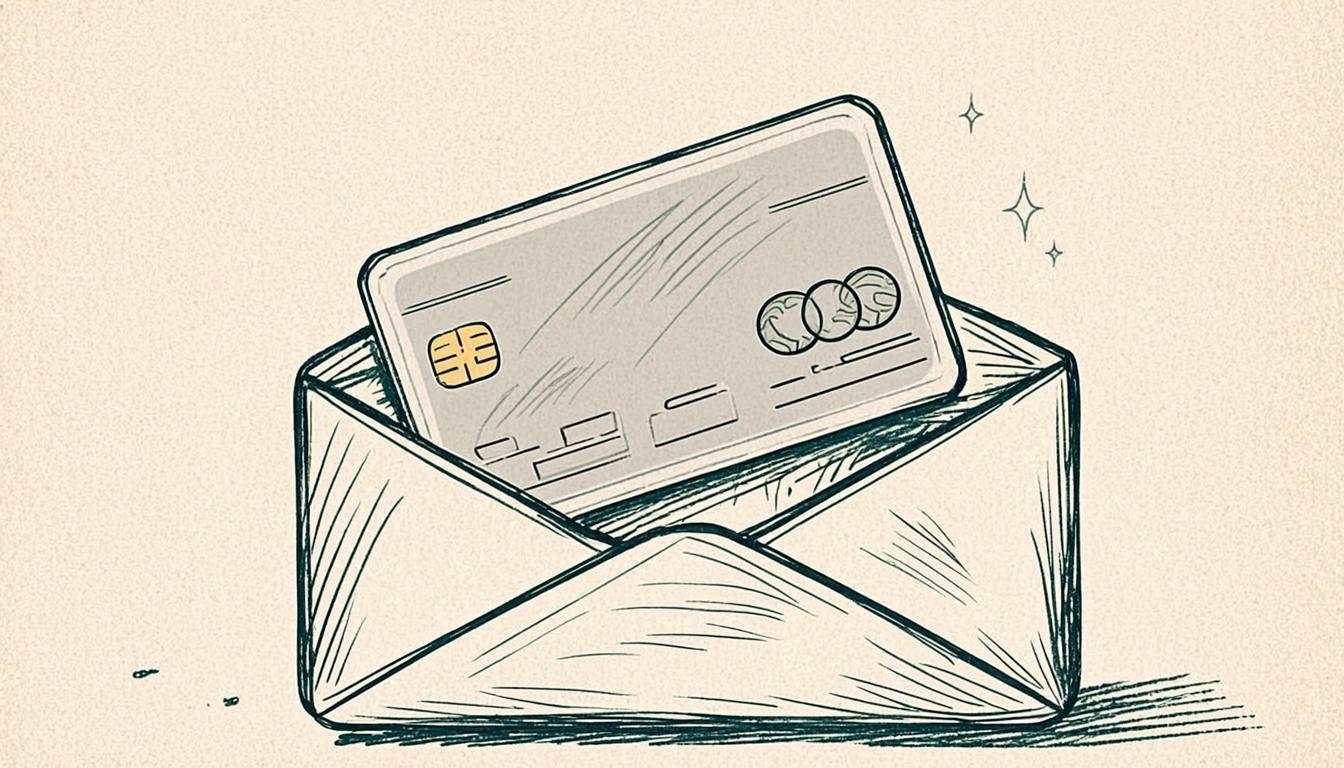
Somewhere around eighteen the envelopes start: pre-approved, shiny, addressed to your teenager by name, each one congratulating them on being exactly the kind of customer issuers want. Because that is what the envelope is, a sales document aimed at the one segment with decades of borrowing ahead of it. Issuers want young cardholders for a simple reason with a long payoff: a customer acquired at eighteen can stay for decades, and the habits formed with a first card tend to outlast the card itself. A few offers even arrive earlier, riding along with college mailing lists and store loyalty sign-ups. None of it is illegal, and almost none of it is personal. It is marketing.
Federal rules do set one guardrail. Under the CARD Act of 2009, borrowers under 21 have to show independent income or bring a cosigner before a card can be opened. The rule was designed to slow easy credit for students, and it did. What no rule can change is the shape of the marketing, because the offers are engineered around enthusiasm rather than arithmetic. They sell the feeling of adulthood and leave the mathematics to the fine print. None of this is hidden. It is simply boring, and boring is where the money is.
The numbers behind the welcome envelope
The real figures are worth knowing before the envelope lands. The average credit card balance carried by Gen Z adults is about $3,262 (Experian). More telling is how many carry it: 67 percent of Gen Z cardholders already carry a balance month to month (Bankrate), which means two out of three are paying interest on purchases they made weeks or months ago. Balances like that are not disasters. They are slow leaks, and a slow leak is exactly the kind of problem an eighteen year old never notices starting.
What follows is a purely hypothetical illustration, labeled as such, with round numbers chosen to keep the arithmetic visible. Suppose a teenager carries a $1,200 balance on a card charging 24.99 percent APR and pays only the minimum each month. The interest alone can exceed $300 before the balance finally clears, and clearing it can take years rather than months. The exact math varies by issuer and by how the minimum payment is set. The shape does not vary at all: a minimum payment stretches the balance, and a stretched balance pays interest the whole way down. Run the same numbers with the balance paid in full each month and the interest line reads zero. That comparison is the entire lesson.
What the fine print hides
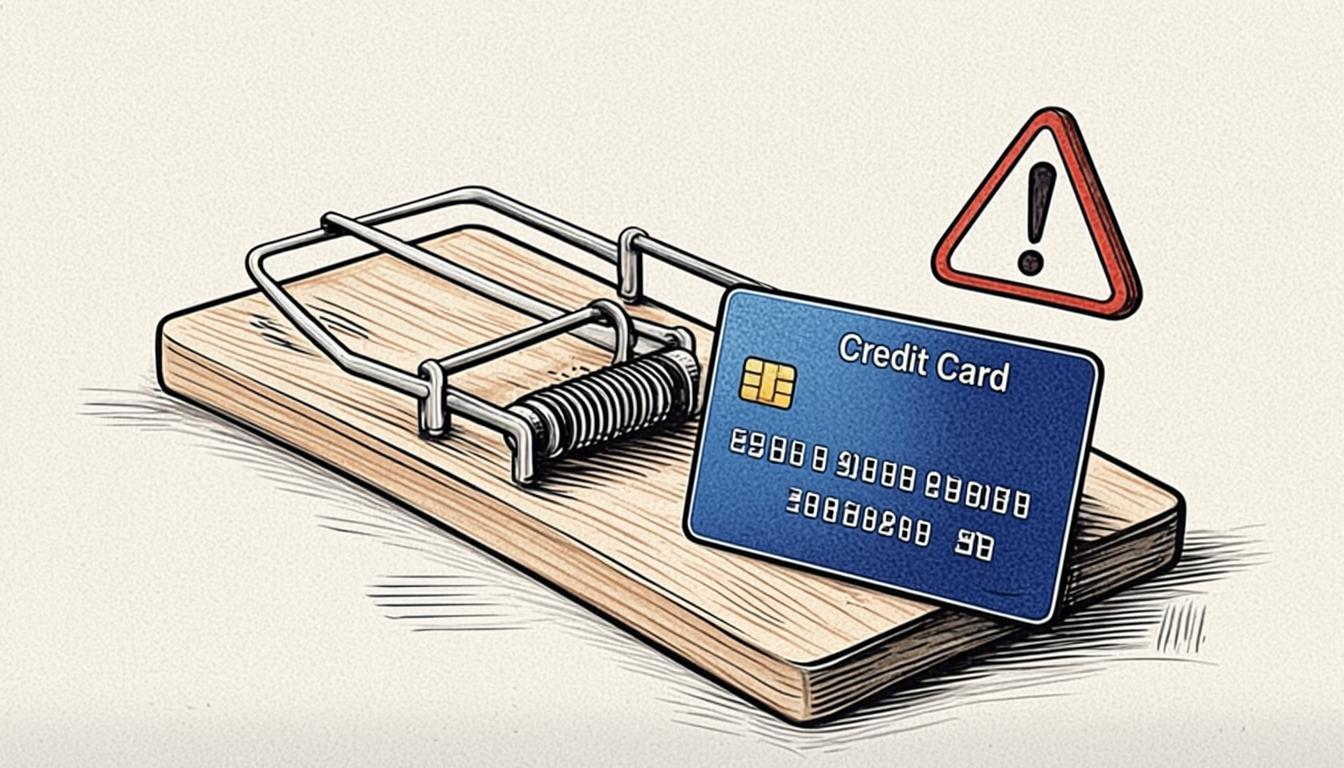
- Teaser APRs that expire: an introductory rate printed in large type, a permanent rate waiting in small type, and a deadline in between that nobody circles.
- Minimum payments priced to maximize interest rather than clear the balance. A payment that feels responsible can be quietly designed to keep the debt alive for years.
- Late fees and penalty APRs, which can raise the interest rate sharply after a single missed payment.
- Rewards engineered to increase spending. A few dollars of points attached to a purchase you would not otherwise make is not a reward. It is a discount on a mistake.
What to teach before the envelope arrives
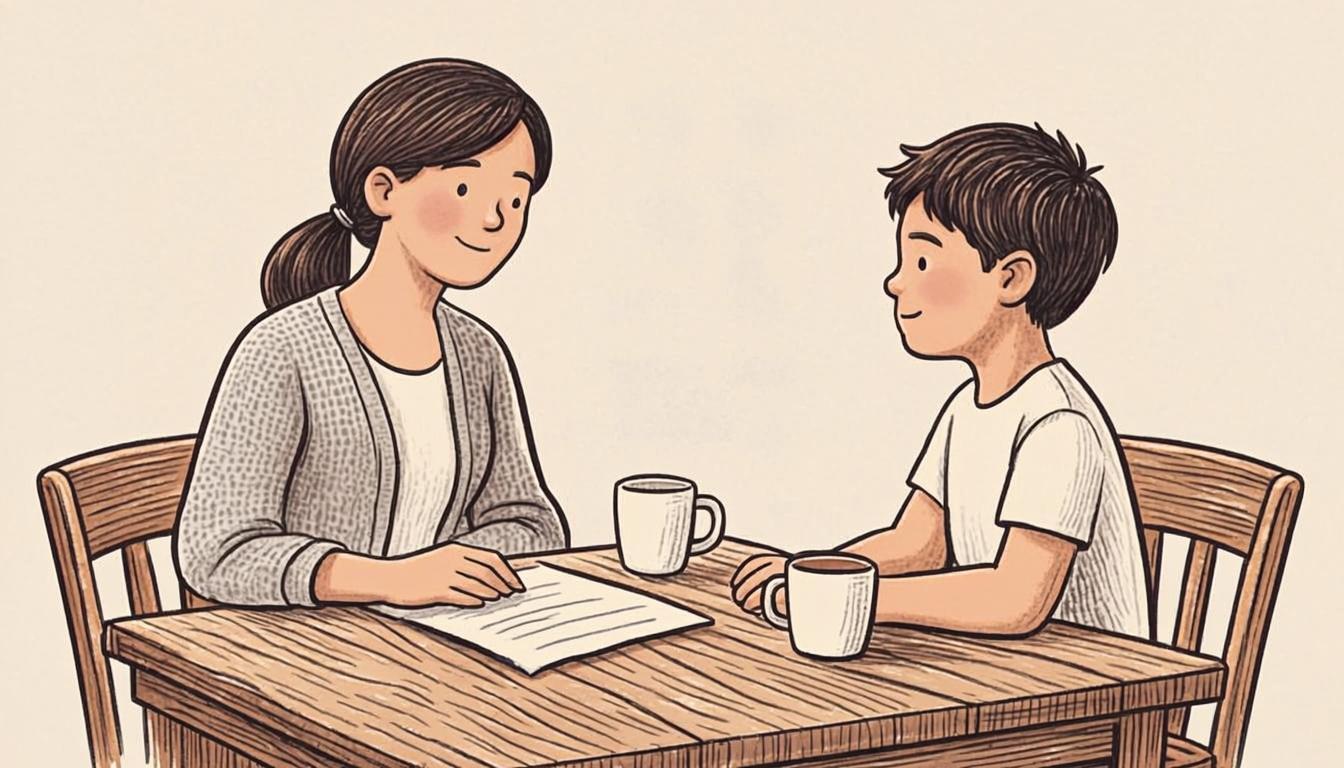
The habits that make a first card safe are small, specific and almost boring, which is exactly why they work. One recurring expense, a streaming service or a phone bill, charged to the card and paid in full every month, with nothing else added, so the statement is predictable enough to check in ten seconds. Before the first swipe, read the APR out loud once, together, so the number is never abstract: 24.99 percent said aloud at a kitchen table does more than a year of vague warnings. The authorized-user path, adding a teenager to a parent's card with a shared understanding about who spends what, is a gentle on-ramp that builds history before they ever apply alone. And the framing matters most: a credit score is a repayment record, not a wealth measure. The card stays safe exactly as long as the balance reads zero on the due date.
A credit card is a power tool. Teenagers should meet it with the safety lecture, not the accident.
In Outtlearn's week on borrowing, students run the repayment comparison themselves and watch a carried balance grow in a simulation. If you want your teenager to do that math before an issuer does it to them, look at the upcoming cohorts.
Written by Nandani Kabra
Nandani Kabra teaches Outtlearn’s live cohorts and writes about money, school and the teenage years.