
Somewhere around sixteen or seventeen, something quietly significant happens in many families: a first real paycheck arrives. It is usually small. It often disappears within a week. And it is, without exaggeration, one of the best personal finance lessons that exists, because it is the first time money stops being abstract.
A school can explain taxes with a worksheet. A parent can explain them at the dinner table. But nothing lands quite like watching a number you were promised turn into a smaller number you actually receive. That gap has names, and learning them early changes how a young person negotiates, budgets and plans for years afterward.
Gross pay, net pay and the space between
The hourly rate on the job offer is gross pay. It is the number before anything is taken out. What lands in the bank account is net pay, often called take-home pay. The distance between the two is withholding, and reading it line by line is a five minute education in how the working world treats a paycheck.
Most pay stubs show the same core deductions. Federal income tax, which goes toward the federal budget. Social Security, which funds benefits for retirees and people with disabilities. Medicare, which helps fund health coverage for older adults. Depending on the state, there may also be a state income tax. Some stubs show more, such as a retirement contribution or the employee share of health insurance, if the job offers benefits.
The first paycheck is the one money lesson school never assigns.
Each line tells its own story. Social Security and Medicare are fixed percentages, so they scale with every dollar earned. Federal income tax depends on how the employee filled out the W-4 form, the small paperwork packet that came with the job. A teenager who adjusts that form might keep more of each check now and owe money in April instead. That surprise is also a lesson, just a more expensive one.
Reading the stub together, the day it arrives
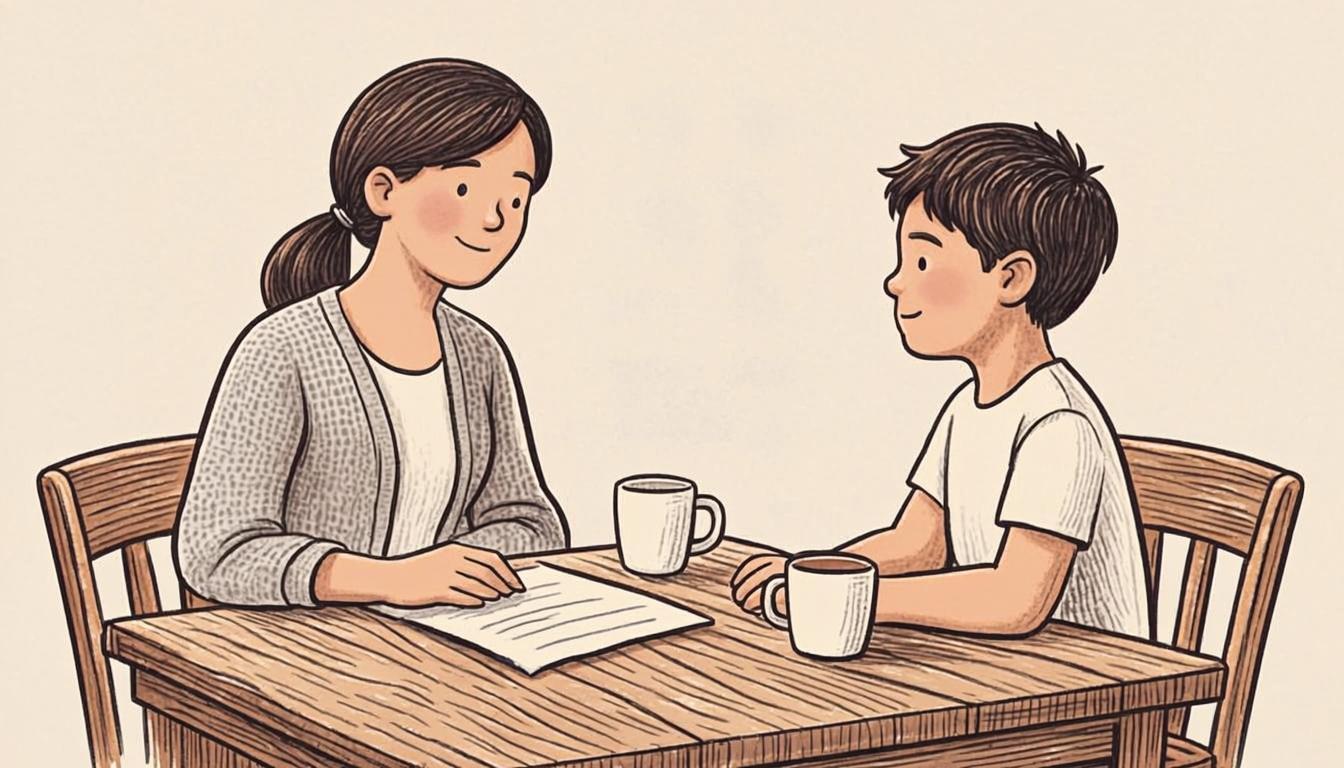
Here is the good news for parents: you do not need to be an accountant. You need one unhurried conversation on the day the first paycheck arrives, or the day after. Put the paper stub or the app screen on the table and read it top to bottom together, at a pace where questions can interrupt.
The goal is not to explain every line perfectly. The goal is to normalize the act of reading it. Plenty of adults never look closely at their own stubs. A teenager who learns to at seventeen holds a quiet advantage over much of the working population. A few good questions are enough to start:
- What was I supposed to be paid, and what actually arrived?
- Which deduction is the largest, and where does that money go?
- What do Social Security and Medicare pay for?
- Does the running total for the year match what I expect so far?
- If I work the same hours next month, should the check look the same?
The last question matters more than it seems. It plants the idea that pay is predictable, which is the foundation of every budget ever built. A paycheck that can be forecast can be planned around.
Where the money goes next
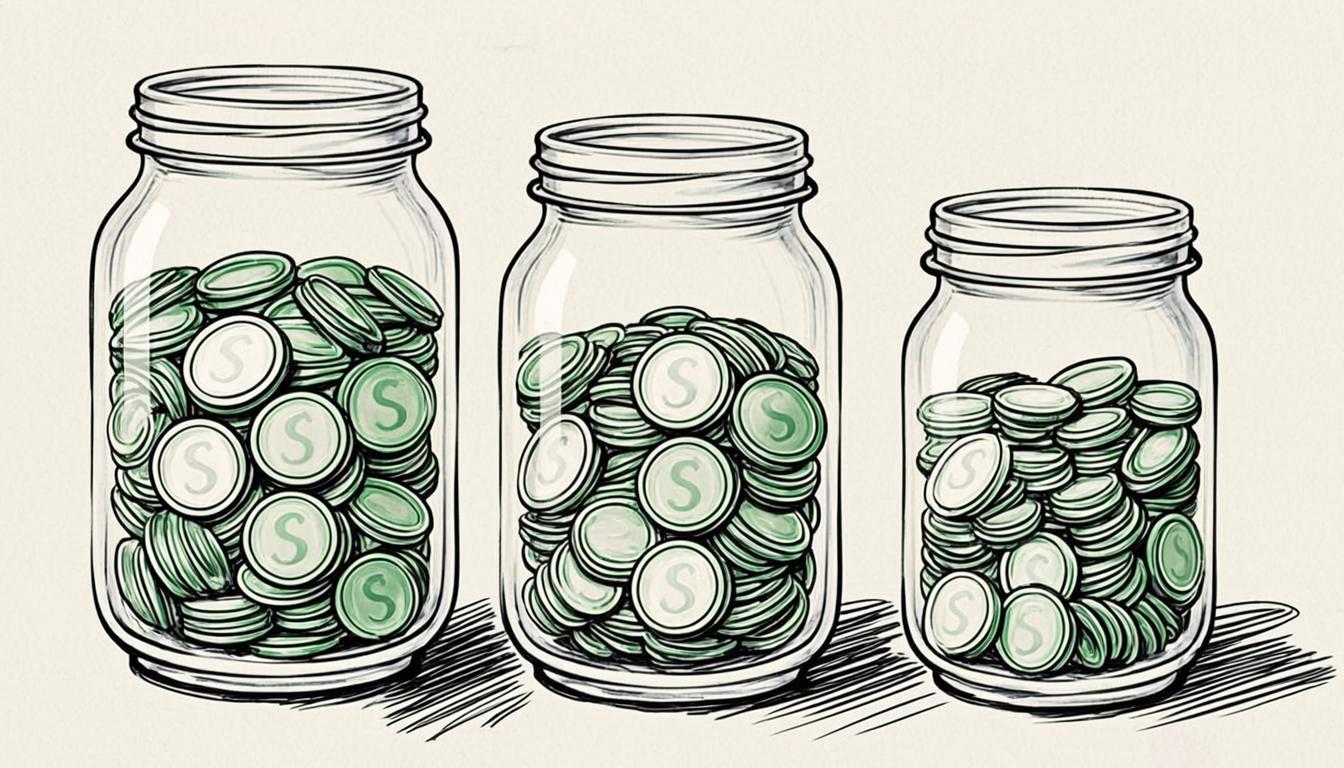
Once the stub has been read, the natural next question is what to do with what remains. The classic answer is the one many of us grew up with: three jars, or three accounts. One for needs, one for savings, one for spending. The exact proportions matter less than the habit of deciding on purpose, before the money dissolves into snacks and games.
A first paycheck is also a good moment to introduce the idea of paying yourself first. The phrase sounds like a cliche. It is actually the entire framework of saving. Money that moves to savings the day it arrives is money that is never missed, and a teenager who experiences that once has seen the mechanism that later builds emergency funds, travel funds and eventually down payments.
The takeaway for parents
The first paycheck arrives once. It will be small, and that is exactly what makes it safe to learn on. The same lessons at thirty involve rent, a car payment and a much larger gap between gross and net. Mistakes made now cost a few dollars. The same mistakes later cost a few thousand.
This is also where a structured program can carry the conversation further than a single evening can. Outtlearn starts its live course exactly here, with the paycheck: in the first of twelve classes, students read a realistic pay stub line by line and practice dividing the money into needs, savings and spending. If you would like your teenager to build that skill in a live cohort, see how the program works.
Written by Nandani Kabra
Nandani Kabra teaches Outtlearn’s live cohorts and writes about money, school and the teenage years.