
Your teenager will meet a scammer before they meet a financial advisor
By Nandani Kabra
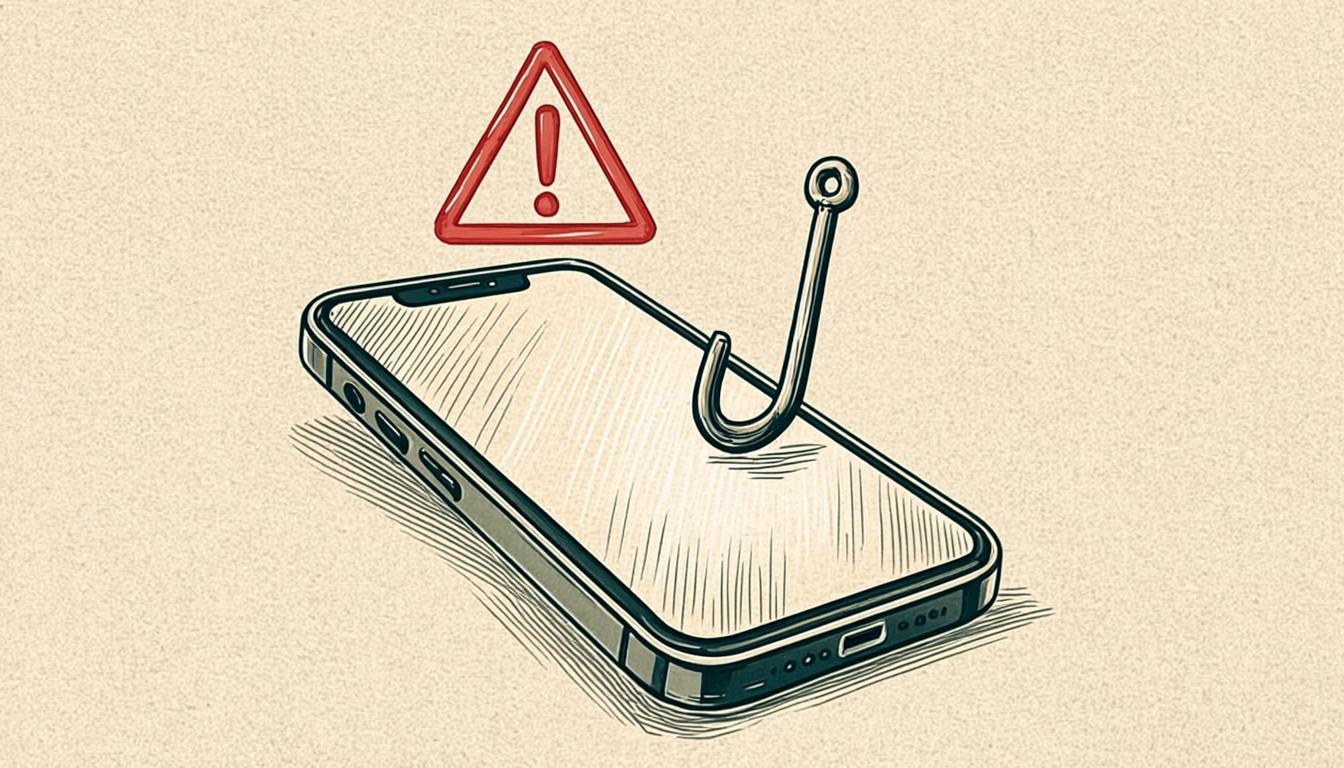
The surprise hiding in Federal Trade Commission data is not that scammers exist. It is who they succeed against. When people report fraud, younger adults lose money more often than older ones, the opposite of the stereotype of the vulnerable senior. Among people in their twenties who filed reports, 44 percent lost money, versus 25 percent of those in their seventies (FTC). Parents tend to assume the danger zone is decades away, that fraud is a worry for near retirement. The data points the other way. The first years of independent money are when the encounters happen, and they happen to people who have never seen the patterns before. A teenager with a debit card and a phone is not a future target. They are a current one. Every adult eventually learns the patterns. The question is whether the learning happens cheaply, in a conversation, or expensively, in a transaction.
Teens do not meet fraud the way the old warnings imagined it, through email attachments from foreign princes. They meet it where they already live. Fake sneaker drops that vanish once payment clears. Game skin trades that never deliver. Cash flipping posts promising that money sent will come back multiplied. Giveaways from accounts impersonating brands. Impersonation DMs from hacked friend accounts asking for a quick loan. Part-time jobs that mail a check and ask the new hire to cash it and forward most of the money, a scheme that deserves special caution because it arrives wearing a costume of legitimacy, complete with an interview and a start date. Adults filter most of this out automatically. Teenagers have not built the filter yet, and the offers aimed at them are written in their native language: games, shoes, hype. None of it requires carelessness. It only requires that the offer arrive looking exactly like the thing the teenager already wanted, at a price slightly better than the real one.
The five signals
- A return too good to be true. Money that doubles overnight, sneakers at a third of retail, a job paying far above the going rate. The generosity of the offer is the tell.
- Manufactured urgency. Act now, ends tonight, everyone else has claimed theirs. Real opportunities survive a night of sleep, and manufactured ones cannot afford one.
- Payment in gift cards, wire transfers or crypto. Legitimate sellers accept payment methods that can be reversed when something goes wrong.
- Requests to move the conversation off the platform. Off the marketplace app, off the game chat, into DMs where no record exists and nobody is watching.
- A sender who cannot prove who they are. A video call, a photo holding today's date, a reply from the real account. A real friend can prove it in thirty seconds, and a scammer needs you not to check. Refusing to verify is itself the answer.
How to rehearse skepticism
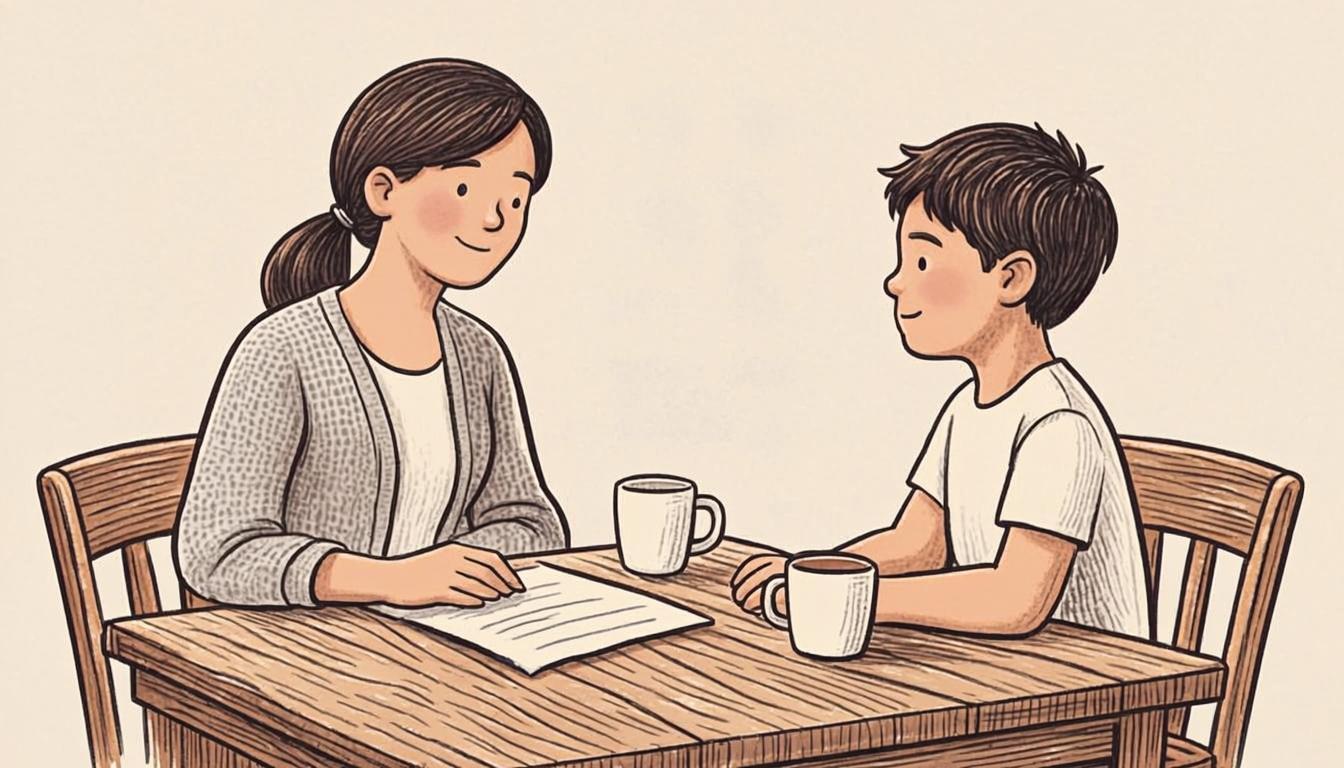
Skepticism is not a personality trait some people are born with. It is a muscle, and like any muscle it is built in low stakes. A family rule works better than a lecture: show me the offer before you pay, always, no judgment. The no judgment clause is what makes the rule usable, because a teenager who fears a lecture hides the offer, and a hidden offer gets paid. Then practice on the real examples as they arrive, and they will arrive. Reading one suspicious DM out loud at the kitchen table, naming which of the five signals it trips, turns analysis into reflex. With younger teens it can even be a game: put a message on the fridge and let everyone guess whether it is a scam before the reveal. Let them invent a fake offer and try it on you, because building a convincing fake teaches the anatomy of one faster than any warning. The reflex is the goal, because in the moment nobody runs a checklist on purpose. It has to be automatic, and it has to be automatic before real money is attached.

The cheapest time to learn about fraud is the week before it finds you.
Outtlearn's week two includes the scam unit, where students dissect real offer formats, the same shapes that actually arrive on phones, and practice refusing them out loud until the refusal stops feeling rude and starts feeling normal. The unit runs live, in a cohort small enough that everyone actually speaks, because the hardest part of refusing is saying the words to a real person. If you want your teenager's skepticism rehearsed before it is expensive, see how the program runs.
Written by Nandani Kabra
Nandani Kabra teaches Outtlearn’s live cohorts and writes about money, school and the teenage years.